
About Us
The Project Team
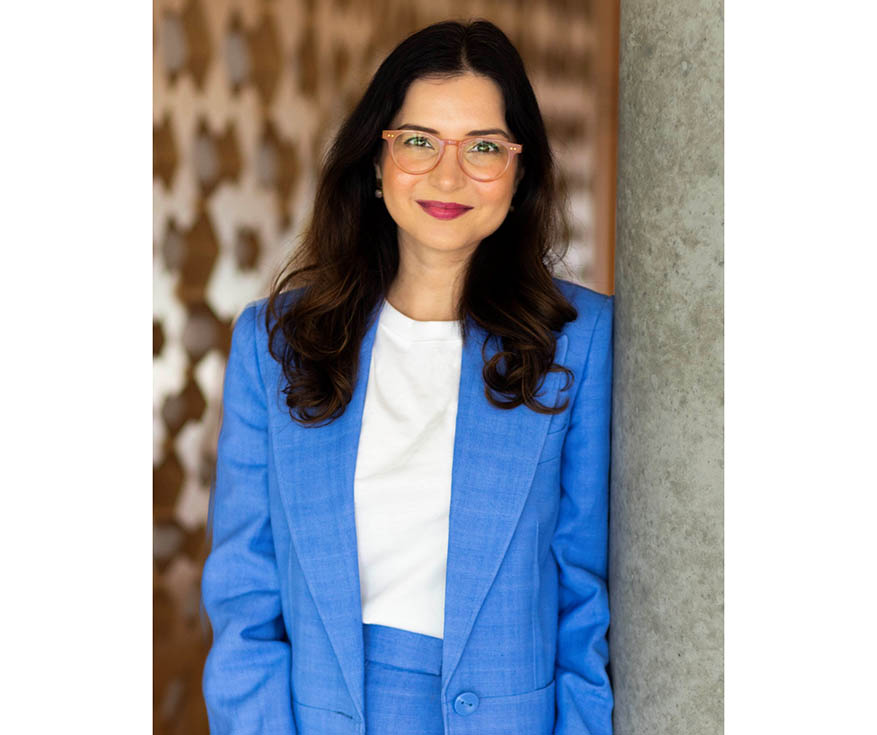
Dr Kate Gould
I made my first internet safety video in 1997 when I was in high school for a science project. Who would have known that I'd need to use these skills some 20 years later to help my client Col recognise and recover from an online dating scam. Through this challenging experience, we realised that there were others with brain injury who may also be more vulnerable to online risks. I am a neuropsychologist working in brain injury rehabilitation and a Research Fellow at the Monash-Epworth Rehabilitation Research Centre, Monash University. I now lead a team of people with living expertise, researchers, and disability advocates to conduct research and promote cybersafety for people with brain injury.
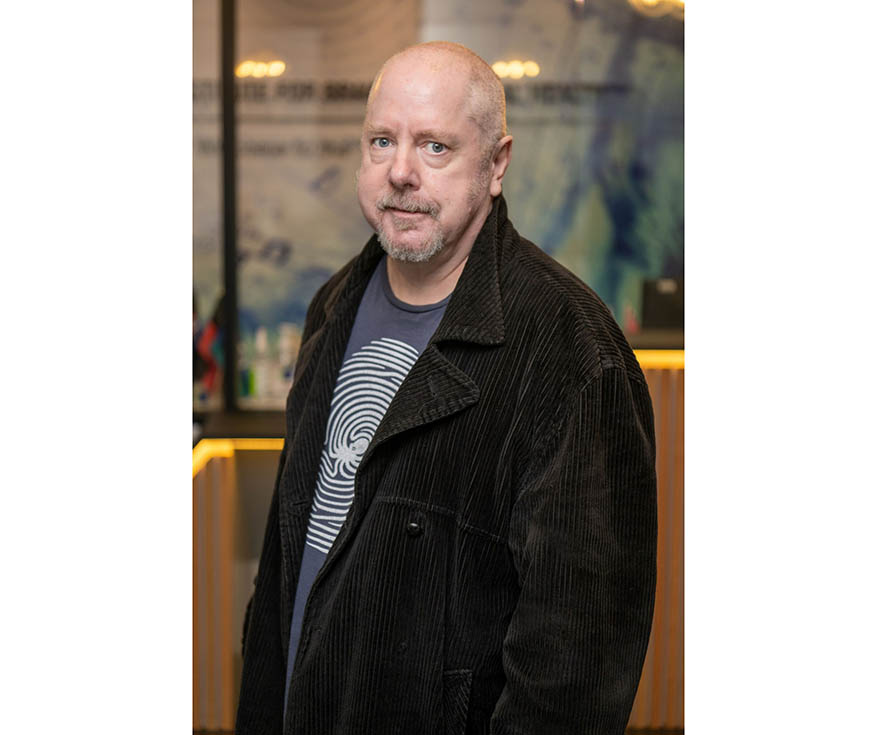
Col
I am a 50 something father of two and currently studying a Masters of Disability and Inclusion at Deakin Uni. I have been involved with the CyberABIlity project from the outset. For me, spreading the word on the dangers of scams to others has been a great opportunity.
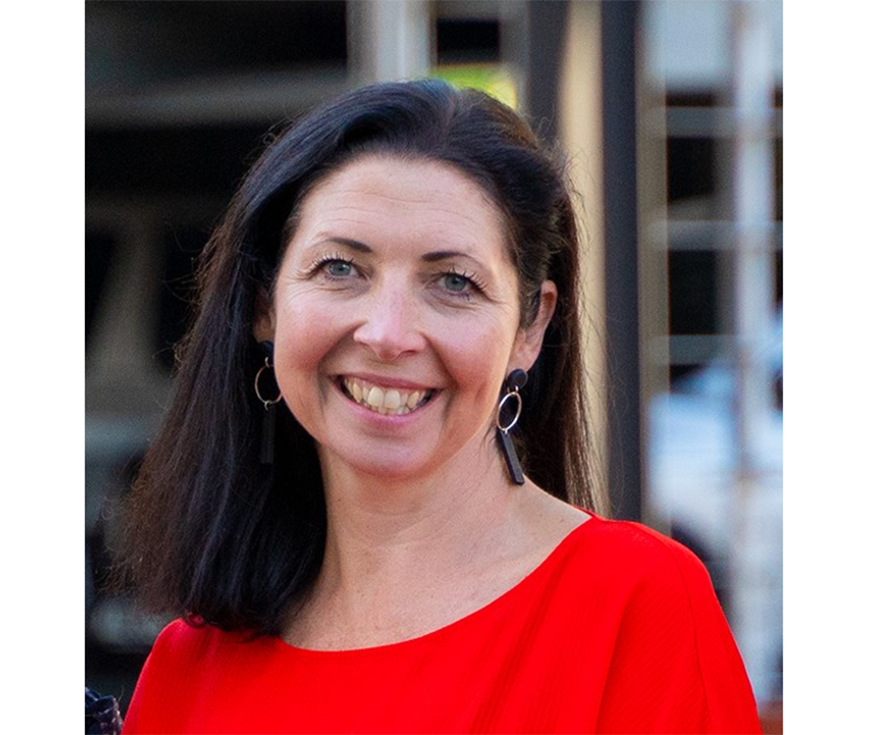
Anna Holliday
Anna has a diverse and extensive background in the disability industry spanning over 20 years. Her expertise includes service design and innovation, operational management and delivery of quality services in a range of settings and across government and non-government spheres.Anna is passionate, energetic and highly committed to strengthening individuals and communities to be responsive to the needs of people living with disability. Across a range of subject areas, Anna's focus on partnerships and working collaboratively has seen instrumental enhancements within the Tasmania service system for people with disability, their families and those who support them. She has a specific interest and expertise in the area of brain injury, particularly in relation to co-designing solutions to assist people to be able to navigate the online world safely.
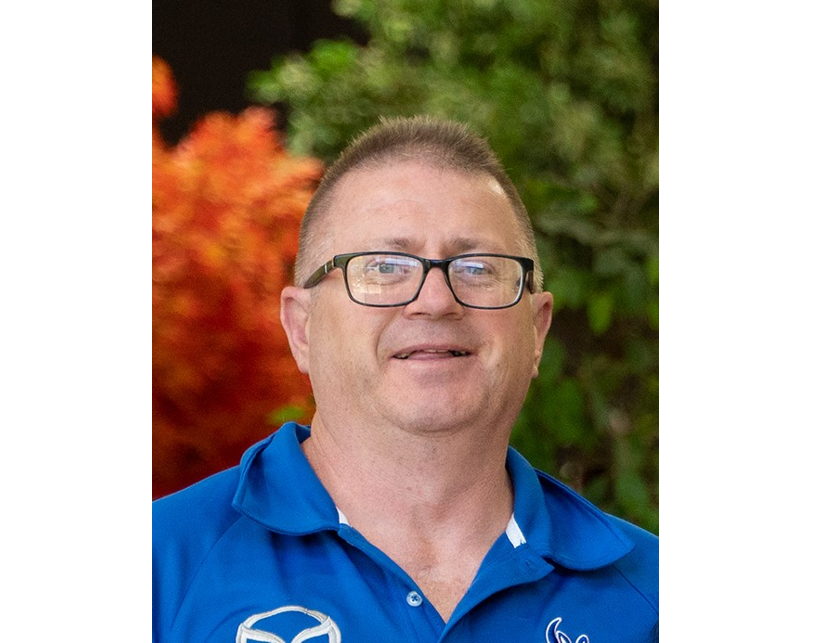
Alf
Prior to his car accident in 1994, Alf Archer was living in Melbourne. He had a stable and successful job as a pastry chef, was engaged to be married and was passionate about playing football and cricket. After the crash and following a lengthy period in hospital in Melbourne, Alf moved to Tasmania to continue his rehabilitation with the support of his family. For the past 20+ years Alf has been co-writing and presenting brain injury education, training and awareness sessions to school students, young offenders, and people working with or looking to work with people living with brain injury.Through sharing his experience of brain injury, Alf provides audiences with invaluable insight into, and understanding of, the impact a brain injury can have on an individual, their friends and family, and the broader community. As a foundation member of the CyberABIlity Project Team, Alf shares his personal experience of cyber-crime, and reflects on the impact this has on his daily decisions, confidence and capacity to ‘move forward’.
Alf sadly passed away on the 3rd August 2023. He was a significant contributor to the foundation and ongoing work of CyberAbility. Alf also selflessly gave his time over the last 20 years to educate people about road safety and brain injury. He was our friend and valued colleague. Alf will be missed and forever honoured in the work we do.
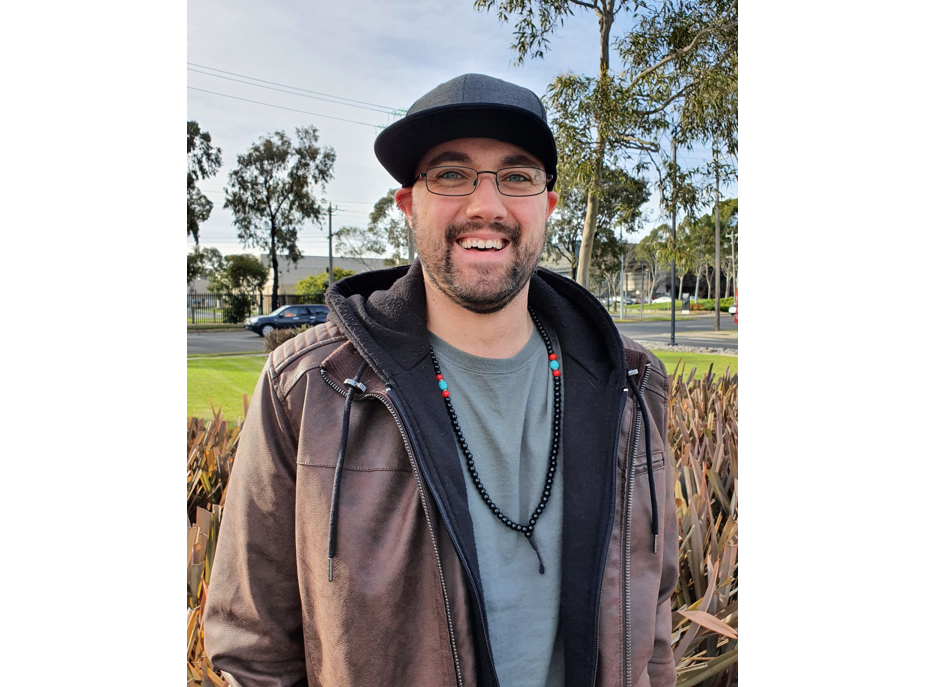
Malachi Cloak de Paul
Malachi has extensive knowledge of the disability sector working across multiple roles over the last 7 years. Starting as a support worker he quickly gained a passion for genuine person-centred, active support. He has worked extensively on workforce attraction, digital design, sector engagement, education and training, and organisation process mapping and development. All whilst applying his energetic, dedicated person-centric approach. In the CyberABIlity Project, Malachi has applied his project management skills and extended his experience in research and co-design.
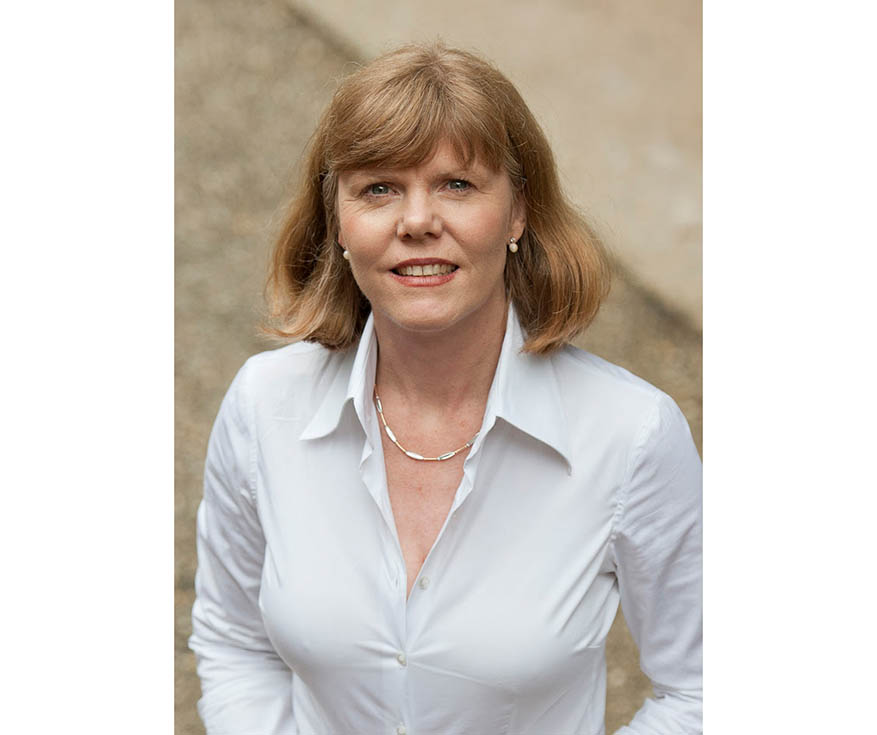
Prof Jennie Ponsford AO
Jennie is a clinical neuropsychologist and neuroscience researcher at Monash University who works on Traumatic Brain Injury (TBI). Her work is focused on developing a deeper understanding of the negative consequences of TBI and the development of rehabilitation interventions to improve long-term recovery and quality of life in individuals with TBI. Jennie is Director of the Monash-Epworth Rehabilitation Research Centre and a founding member of the Institute for Safety, Compensation and Recovery Research, a collaborative initiative of the Victorian WorkCover Authority, the TAC and Monash. In partnership with the Department of Human Services, Jennie has created information resources for adults and children with mild TBI.
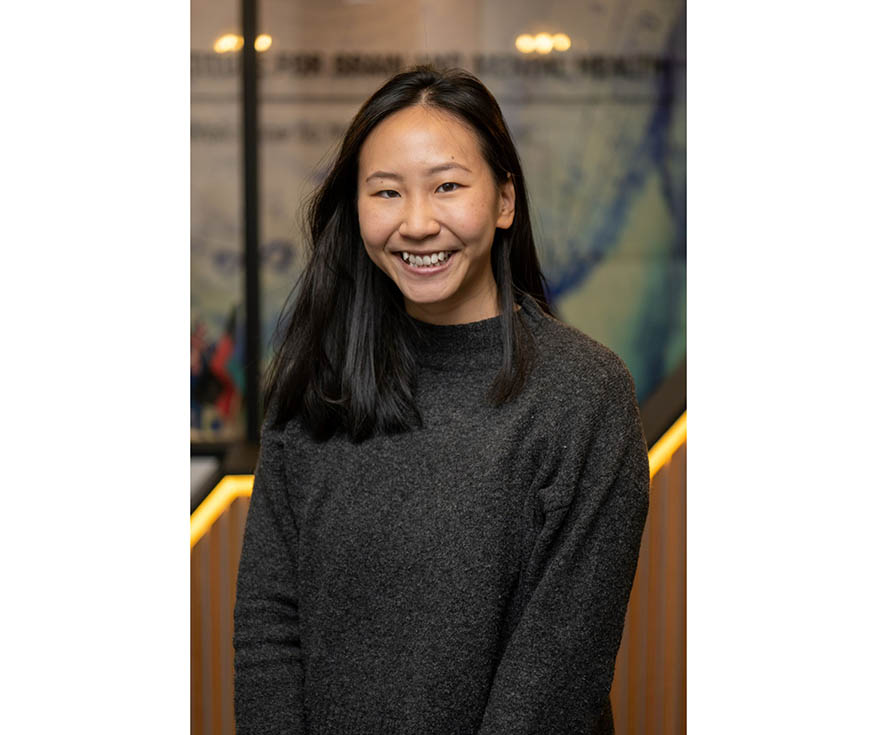
Dr Kimberly Chew
I am Kimberly, a research fellow conducting research at the Monash-Epworth Rehabilitation Centre and Monash University. My PhD looked at co-designing and evaluating a cyberscam psychosocial adjustment intervention for people with acquired brain injury. As a research fellow, I am now conducting a randomised control trial of this psychosocial adjustment intervention for individuals with and without brain injury who have been affected by cyberscams. I am privileged to be working with our ambassadors and project team to raise awareness on cybersafety and to also provide support after being scammed.
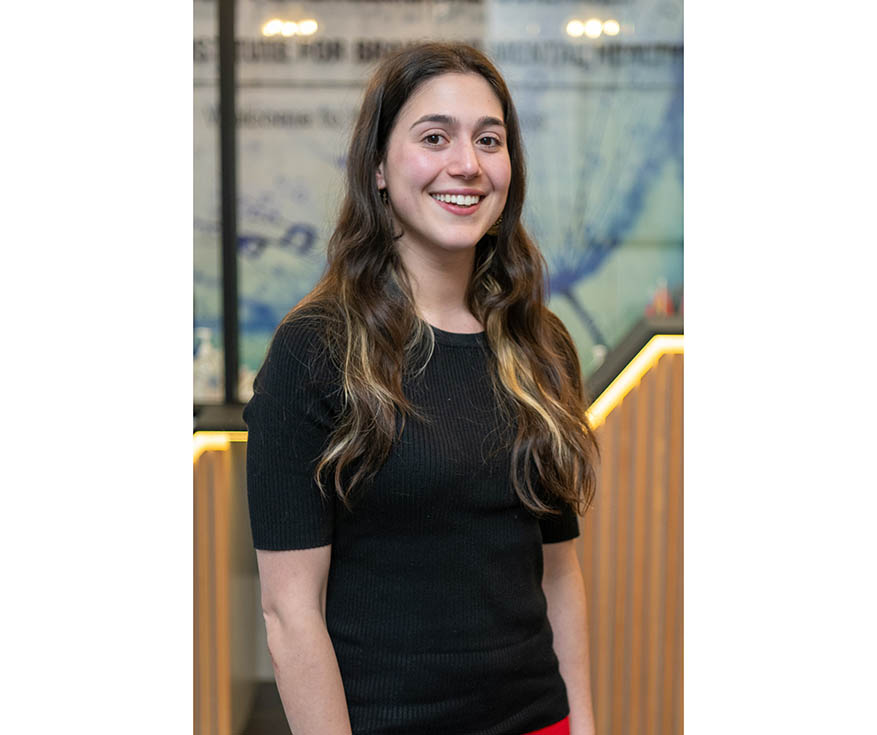
Aly Cazanis
Hello, I am Aly. My PhD explores how frontline services (e.g., banks and police) can improve their response to individuals impacted by cyberscams, particularly those with cognitive disability.
I first joined the CyberAbility team in 2023, conducting research exploring the experiences of cyberscam victim-survivors within the general population. Through this research I unfortunately heard many stories about people having negative experiences when trying to access help after being scammed.
I am excited to continue working with the CyberAbility team, and our amazing lived experience Scambassadors to improve the response to cyberscams for everyone, by using an inclusive and disability-informed approach.
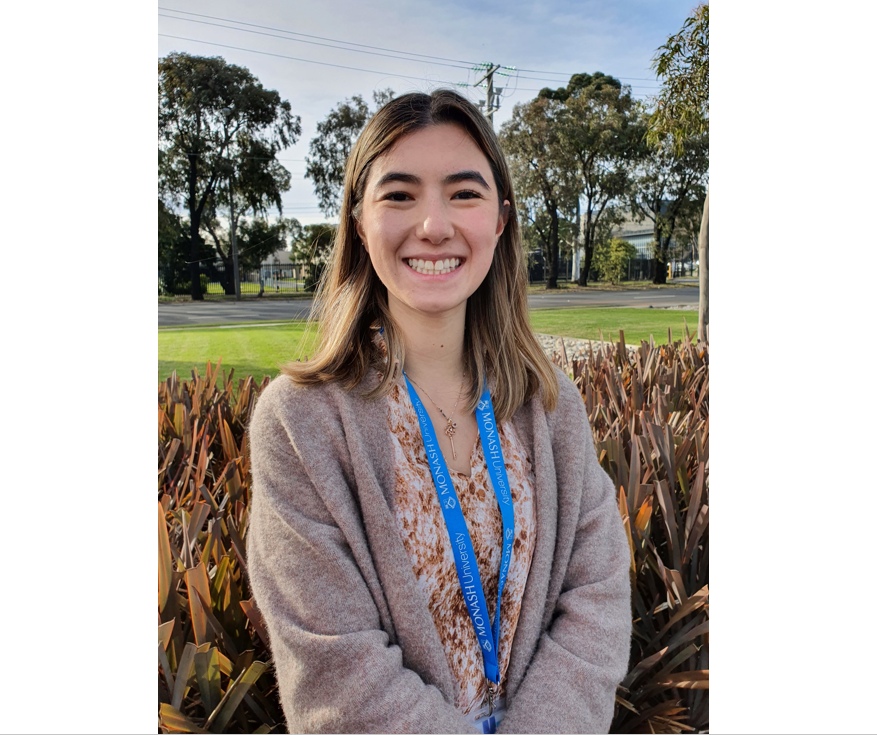
Dr Jao Carminati
My name is Jao, I am a research fellow at Monash-Epworth Rehabilitation Research Centre and also work as a neuropsychology registrar. I completed my PhD in Clinical Neuropsychology in 2024, where I co-developed and validated The CyberAbility Scale - a measure of cyberscam risk for people with and without brain injury. I first joined The CyberAbility Team in 2020, conducting research exploring the living experiences of cyber scam survivors. Through this, it was clear that there was a need for much more awareness surrounding cyber safety in the disability community. I’m thrilled to continue working alongside living experience advocates to help other people learn about online risks.
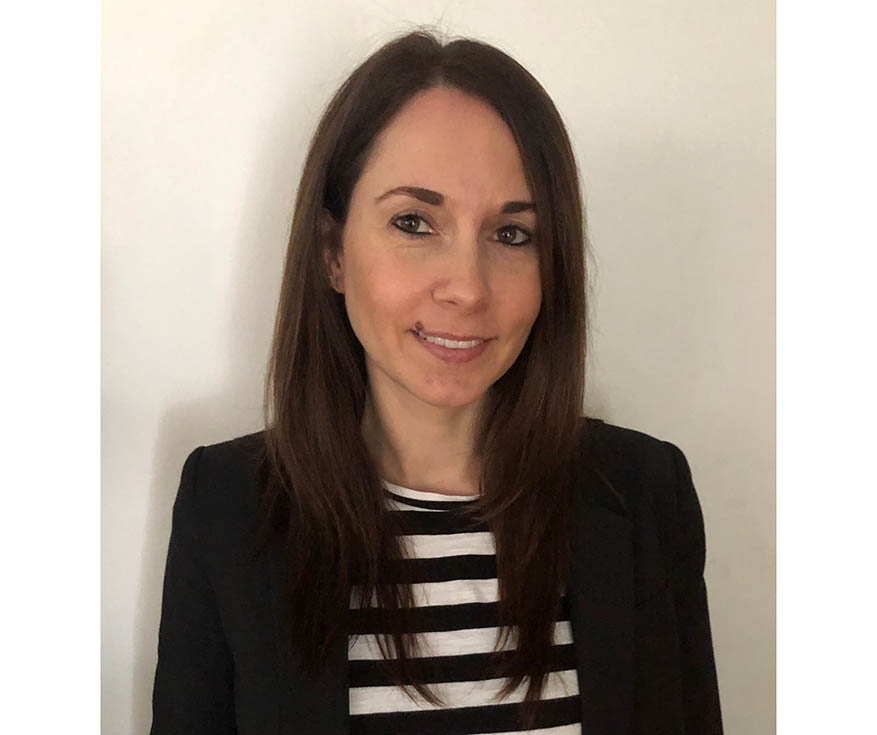
Dr Alix Mellor
I am Alix and I have been working as a research fellow at Monash University since 2016 directing large randomised controlled trials in the field of mental health and sleep. I am also a registered Psychologist. I am excited to bring my experience in clinical research and project management to contribute to the CyberAbility Project. My focus will be the design and implementation of the randomised controlled trial which includes a psychosocial adjustment intervention for individuals with and without brain injury who have been affected by cyberscams. I feel privileged to be part of a project that will raise awareness of scams and provide support to those affected by them.
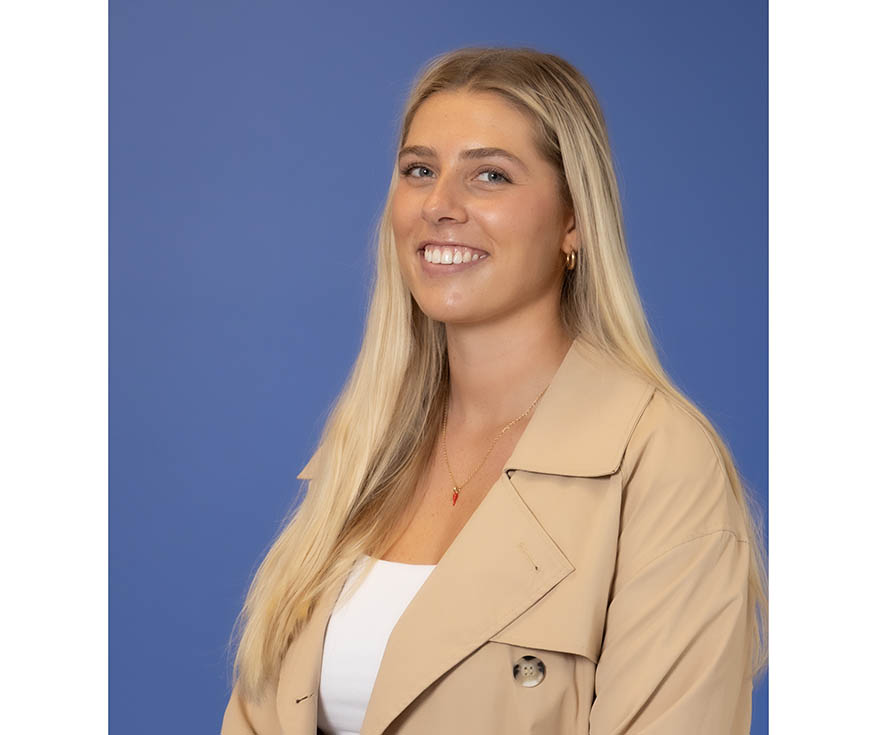
Emily Kerr
I am Emily, a Research Assistant at the Monash-Epworth Rehabilitation Centre. I joined the CyberAbility team in 2024, where I conducted research exploring the feasibility and benefits of the CyberAbility education program for individuals with acquired brain injury. I am now fortunate to be working with our lived experience Scambassadors to update and improve the program, aiming to make cybersafety education more accessible and meaningful to vulnerable individuals.
Clinicians
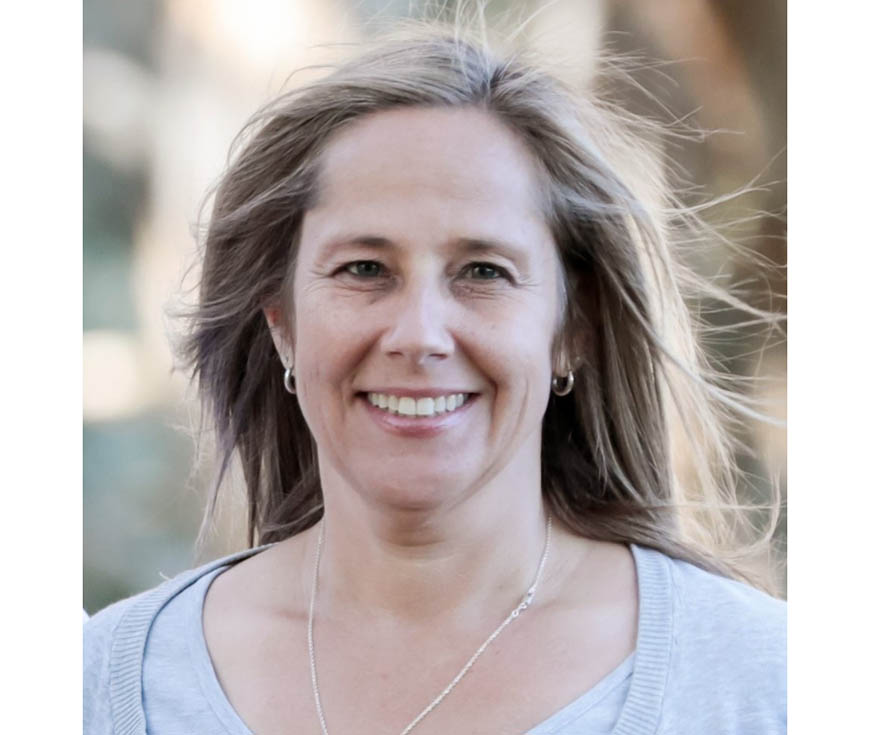
Samantha Grant
Samantha is a Clinical Psychology who has been working with adults following complex and catastrophic injuries, particularly acquired brain injury for over 25 years in Australia and the UK, in hospital and community-based settings.
Samantha is passionate about not only supporting the individual presenting but their support networks both formal and informal which are crucial for improving their outcomes of achieving their goals, however big or small.
Samantha is the Director of Inspire rehab and psychology, and outside of direct clinical work, has been involved in a number of projects to provide her clinical expertise to support challenges associated with having a brain injury, including Carers Way Ahead (online support for family members understanding challenging behaviours) and currently as part of the CyberAbility Project.
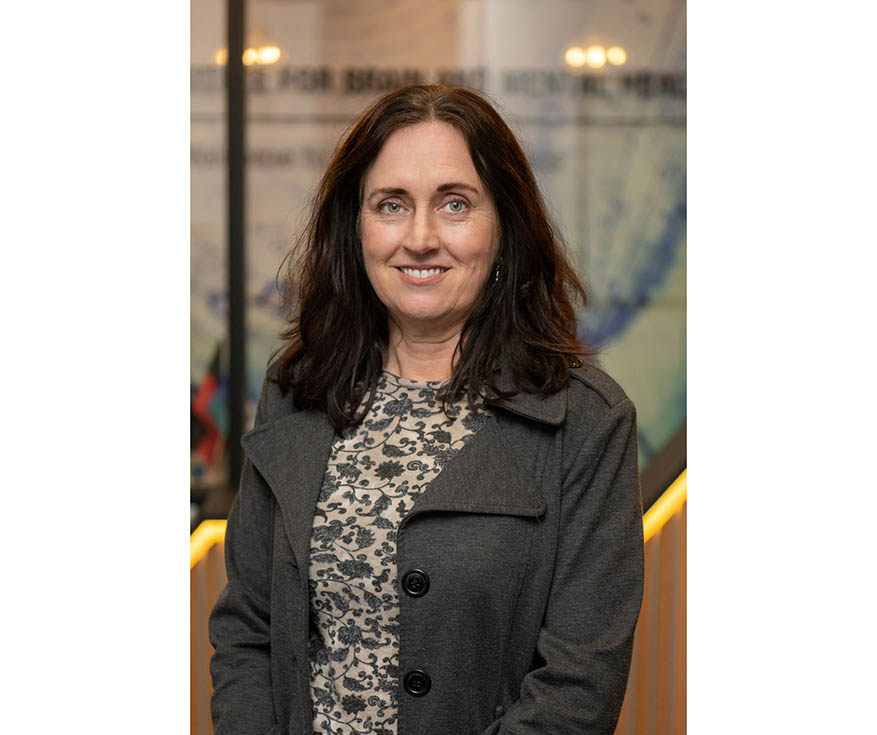
Sue Hymus
Sue, a Psychologist in Private Practice, blends her background in supporting individuals with sensory disorders and neurodiverse conditions with her training in emotion-focused interventions and resilience-building. Introduced to the traumatic impact of romance scams by the pioneering work of Scam Survivor Jan Marshall almost a decade ago, Sue is motivated by a desire to develop effective interventions for scam victims, especially those with brain injuries, who may need extra help to recover from the emotional impact of being scammed.
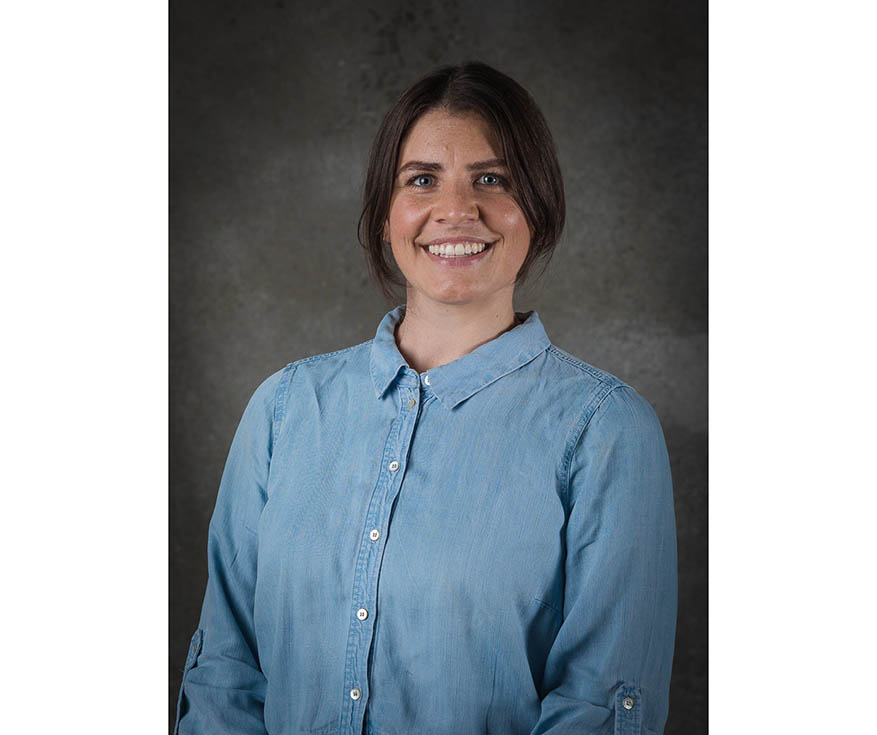
Clare Douglas
Clare is a speech pathologist who has been working with people with acquired brain injury for over fifteen years, in hospital and community based settings. Clare works collaboratively with clients and their families to set and achieve goals that matter to them. Clare is able to use her expert knowledge of communication and cognitive difficulties to understand how people with acquired brain injury are more vulnerable to online scams and help them stay cyber safe. She is particularly interested in supporting relationship breakdown that can arise after cyber incidents, so that her clients remain connected to their families and support systems.
Clare joined the Cyber Ability team after being inspired by Dr. Kate's Gould's work in this area.
The Living Experience Ambassadors "The Scambassadors"
‘The Scambassadors, are people with lived experience who have either been scammed or who have supported someone who has been scammed. Many of our scambassadors also have lived experience of acquired brain injury. Scambassadors are involved in the design and delivery of CyberAbility’s research projects, provide peer support to participants of the Smooth Sailing After Scams Program and are actively engaged in advocacy through co-delivering workshops and speaking to media.
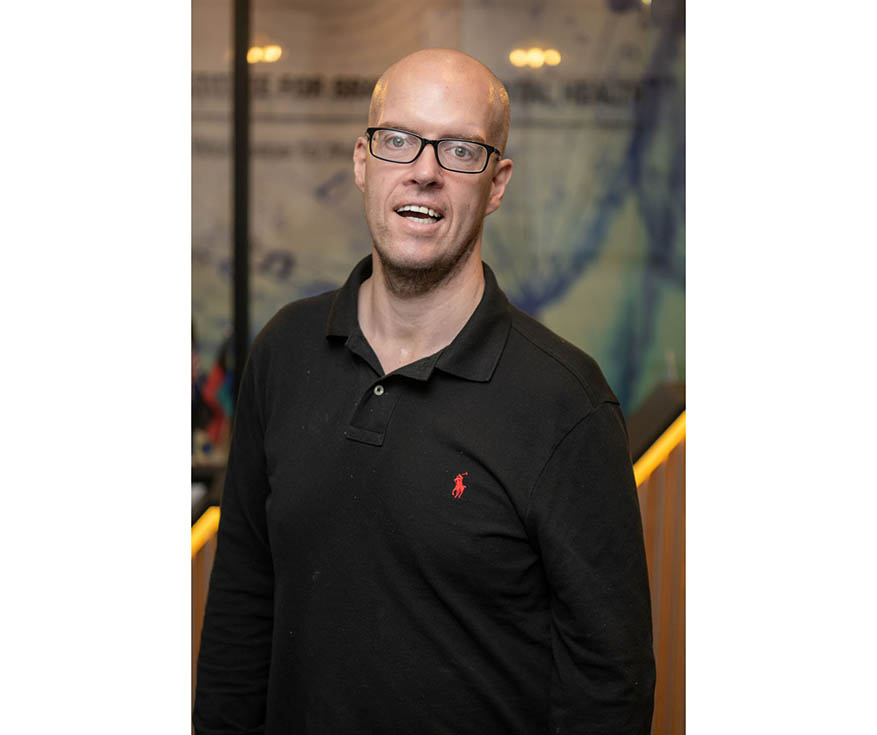
Brent
I'm Brenton Alford, the President of Brain Injury Matters since 2019, with a brain injury since 2006. I am an athlete and a motivational speaker (Brentalford.com), where I talk about life choices. I am part of Cyberability as an Ambassador. The project has been absolutely so beneficial for my learnings not to be scammed.
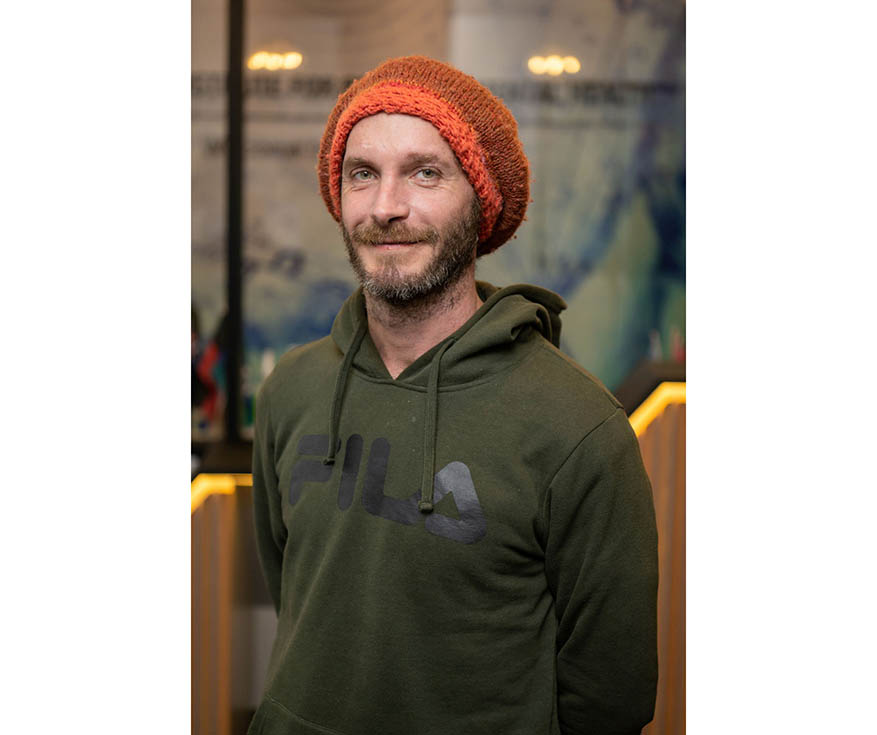
Jimmy
Hi I'm Jimmy, I live with a moderate to severe head injury I sustained when I was almost 20 years old. I use internet a lot to connect with people I know and have used it to meet new people. In attempts to do both I have been scammed a number of times and for considerable lengths of time. I am getting better and safer online. I hope that my experiences can help me and others stay safer online.
I use my experiences as part of the team who developed the online Cyberability program, the new cyberscam recovery program, in speaking to media and being a Project Ambassador.
This work has been so valuable to me because it has aided me to develop and own challenging parts of my history and learn to truly view them as very big positive steps.
I feel I have succeeded and assist others to instead of feeling just guilt, shame and remorse in terms of my challenging online histories. I am now powerfully active online with confidence and I am giving and receiving supports via my online support communities.
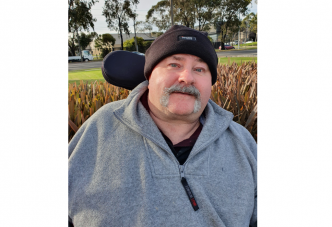
Daryl
My name's Daryl. I was involved in this project by giving feedback to help make this training. I'm hoping to help other people better understand and get more awareness about scams.
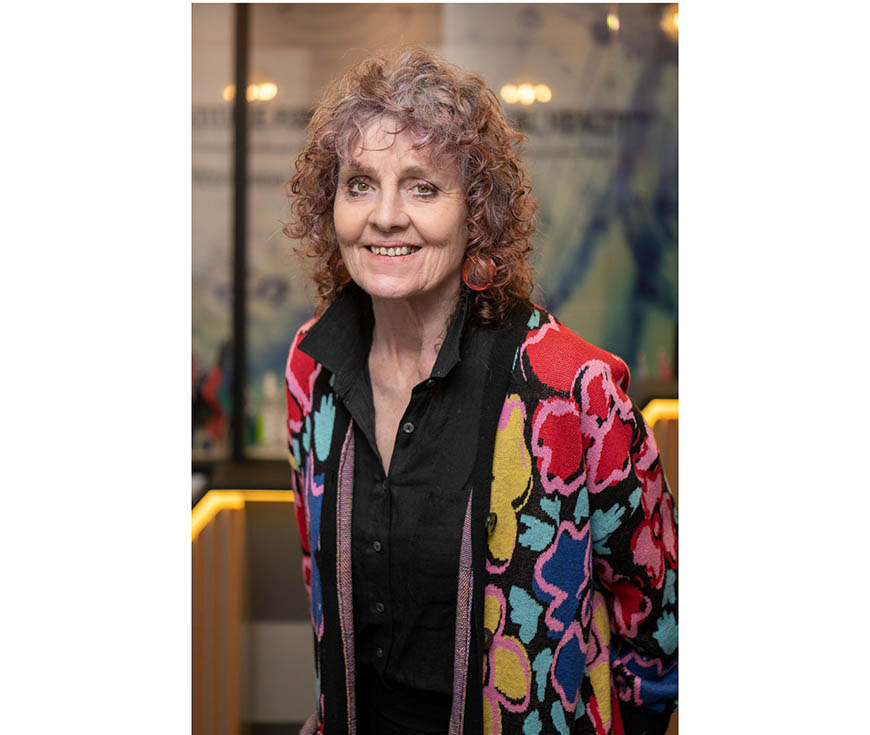
Peta Ferguson
My name is Peta Ferguson. I was president of Brain Injury Matters for a few years.
I was involved in this project, and it was a really rewarding, informative experience. It wasn't just another ultimately meaningless group - I actually learnt!
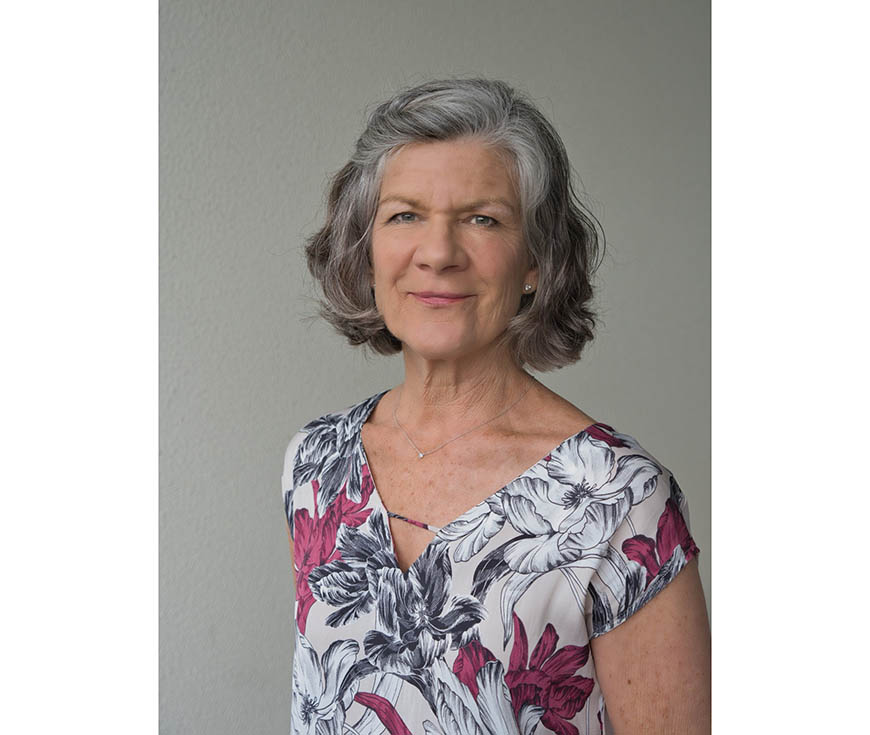
Kim Beesley
Kim Beesley is an advocate for young stroke and aphasia after her daughter experienced an unexpected stroke at the age of 33 in 2016.
She is a member of the Consumer Council of the Stroke Foundation, Secretary of the Australian Aphasia Association and a Community Representative on the Ethics Board of Speech Pathology Australia.
She has been involved in many co-design research projects for young stroke and aphasia and was keen to be involved in the Cyberability project to help develop resources for all people affected by brain injury.
The whole experience was very valuable. Meeting many people personally affected by scams was moving and it was a wonderful opportunity to help contribute and develop resources from a carer's perspective. The team have produced a wonderful resource which will hopefully succeed in helping people affected by cyberscams.
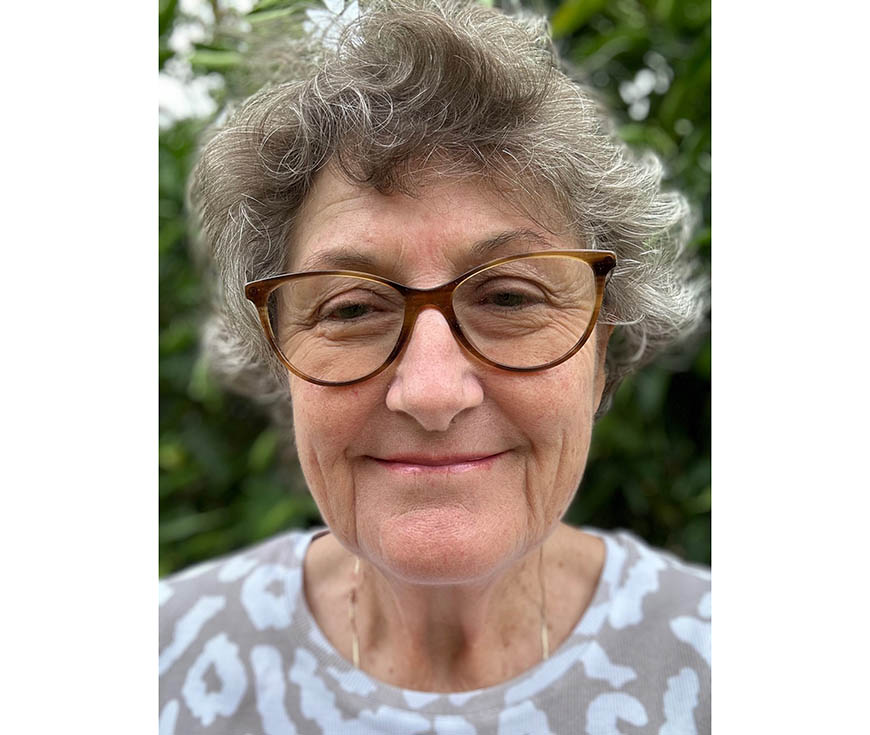
Elizabeth Brown
I am President of U3A Stonnington, a part of an international organisation for older people, with the overarching aims of offering opportunities for older people to stay active mentally, socially and physically.
I took part in this project because my adult son, who has a severe ABI, has been scammed and has received life changing help from Cyberability. I wanted to contribute to this new project of for the benefit of others to recover from being scammed. I was able to contribute some of what I have learned about the difficulties of living with a brain injury from my son’s experiences.
This was an important learning experience for me. I continued to learn about the diversity of consequences of brain injury due to the nature of the injury. I also came to realise that my focus had been on prevention of scams – I became educated regarding the emotions of shame, anxiety, fear, . . . that someone who has been scammed can have, causing personal devastation. I also learned that people who have admitted to being scammed can be treated shamefully, with derision even by professionals.
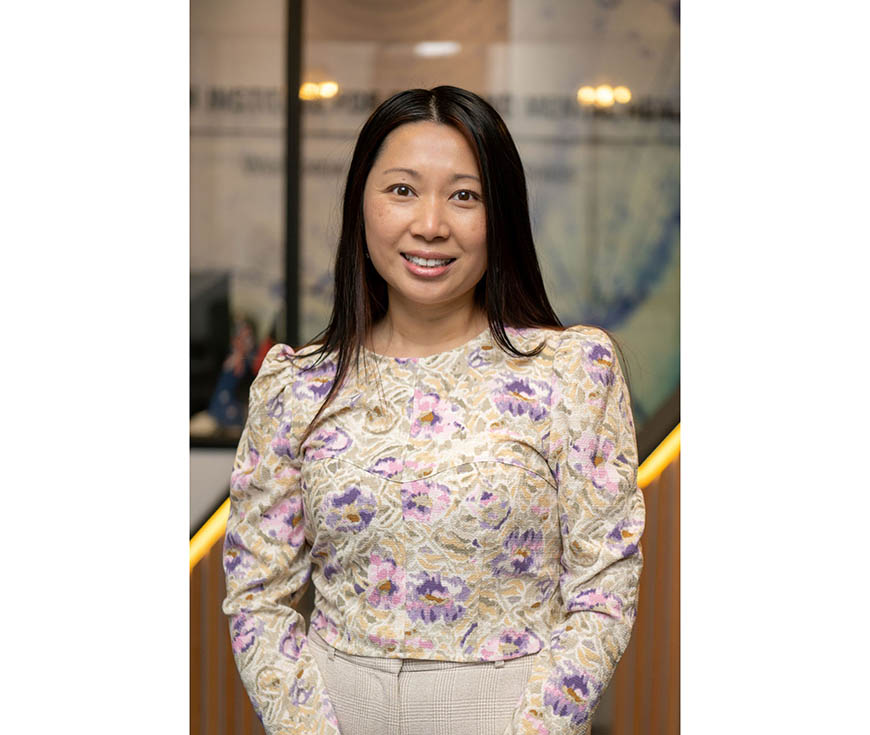
Penny Lim
As a mother of three teenagers, I promote self-worth, being inclusive and demonstrating gratitude. My role as a support worker in disability and aged-care is a platform for me to proactively engage with others. I bring on board a healthy mindset and assist to improve liveability in a respectful manner.
I was welcomed to partake in The CyberAbility Project as a support worker for someone with an acquired brain injury. The focus group co-designed measures and approaches to address cybercrimes impacting people with ABI. The intensive sessions were impressively well-facilitated by Dr. Kate Gould and Kimberly Chew; everyone was made to feel valued and acknowledged. It was also an insightful experience as I gained input from scam victims, their families and clinicians. I’m amazed by the outcome of the co-design process, and I hope that the treatment can be broadly applied to anyone and adaptable to clients.
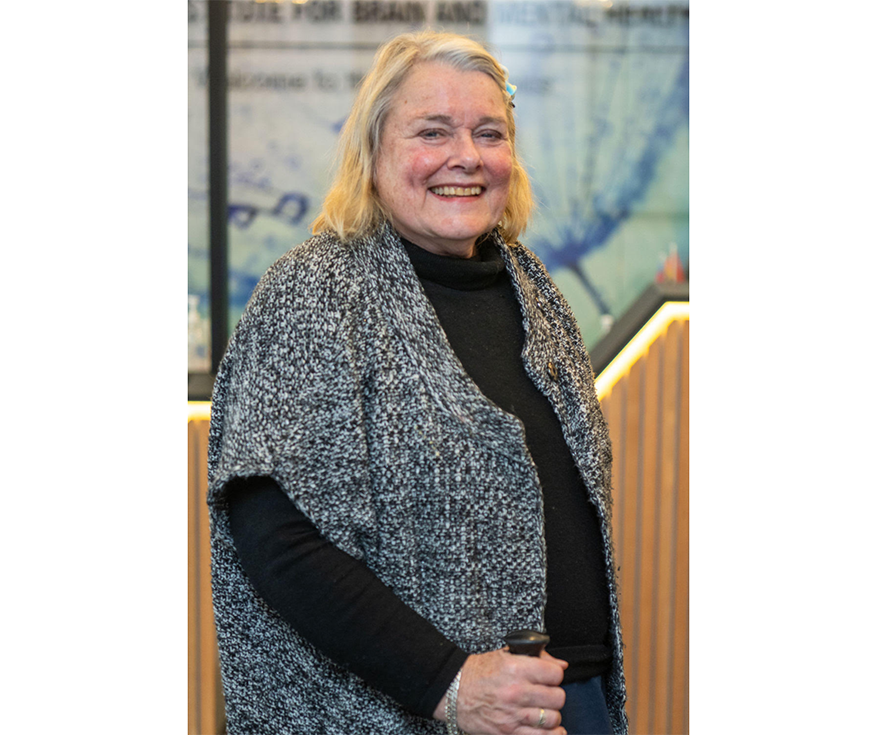
Kate B
Hello, my name is Kate. I am a new grandmother, aerobics fitness instructor and a former teacher. I have a passion for performance, and greatly enjoy theatre – regardless of whether I’m performing or watching as part of an audience. I sustained a traumatic brain injury after being hit from my bike by an out-of-control driver.
Participating in the Smooth Sailing After Scams program helped me to better recognise the red flags associated with scams. I am now a Scambassador because I greatly value helping others. I hope to support people like me, who don’t spend a lot of time online.
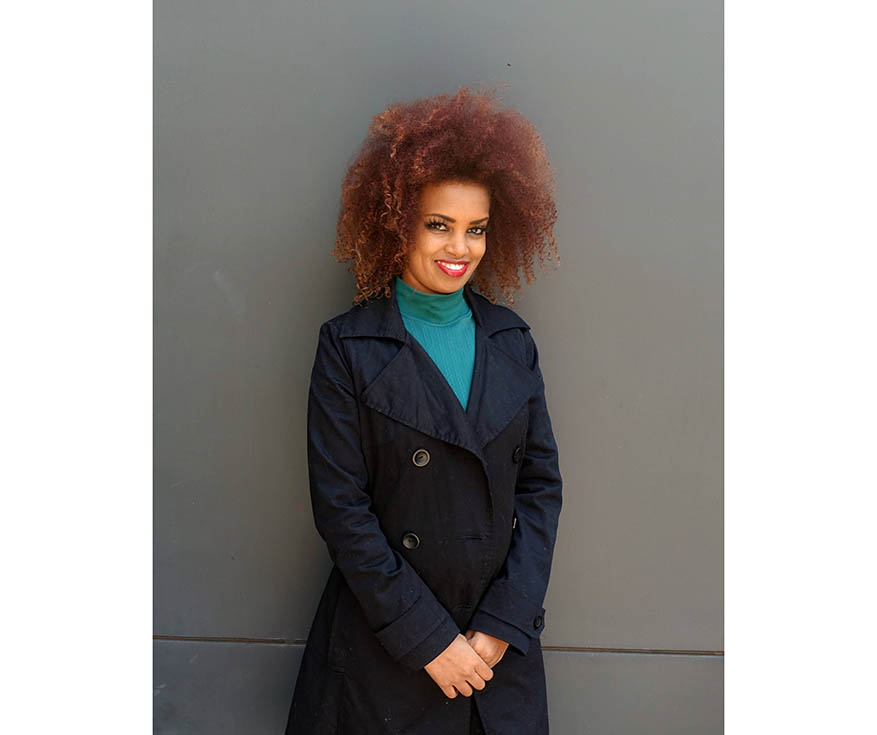
Kiya
My name is Kiya and I sustained a traumatic brain injury in 2019 following a car accident. I am a consumer advisor for the Alfred Hospital. Additionally, I am an advocate for people living with brain injury and intellectual disability and participate regularly in research.
I am excited to now be a Scambassador for CyberAbility with Monash University. I am so grateful for this opportunity to improve the lives of anyone who has been impacted by a scam. You are not alone, anyone can be scammed, but this program showed me that we can get through it and become stronger together. I found my purpose in the storm.
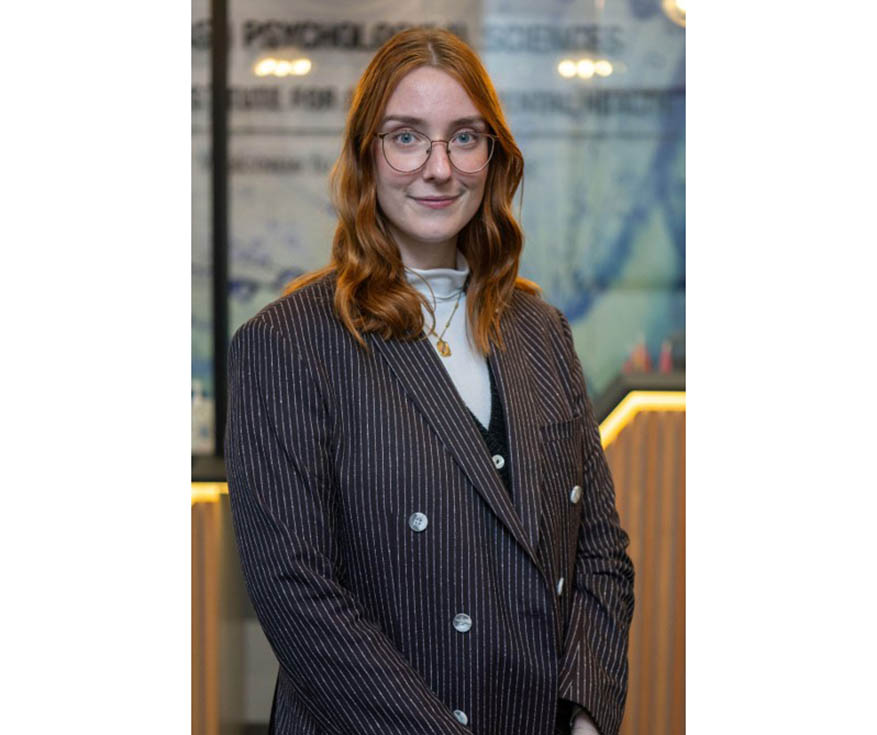
Emma
Hello, my name is Emma, I am soon-to-be clinical psychologist. My involvement with the CyberAbility team started after a friend invited me to participate in the Smooth Sailing After Scams program as her close other. I enjoyed being able to support my friend through her scam adjustment journey and would like to continue my involvement with the program to help prevent others from being scammed in the future.
I'm extremely passionate about improving cyber safety, and believe that the Smooth Sailing After Scams program has something to offer everyone.